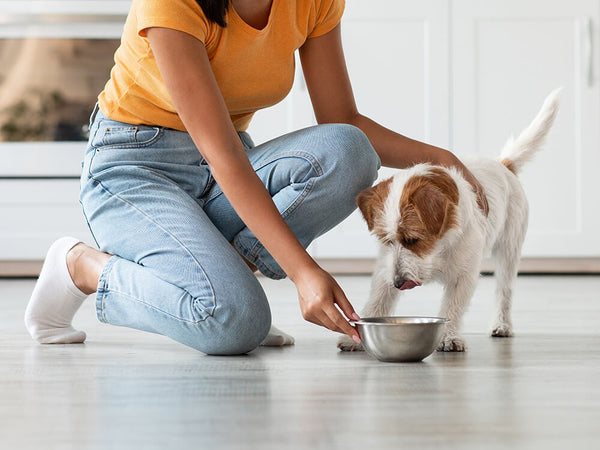
Digestive Health in Dogs and Cats
More than 6.5 million dogs and 12.4 million cats suffer from chronic digestive
problems*. The symptoms they experience include gas, diarrhea, bloating and
nausea. Many more pets suffer the occasional digestive upset due to changing to
a new food, antibiotic use or stress. Having intestinal discomfort is no fun for
our pets, or for us, but there are effective means to help make them more
comfortable and to strengthen their digestive system, naturally.
*MRC Omnibus Study
Digestive Enzymes = Natural Nutrient Delivery System
Digestive enzymes breakdown and deliver nutrients from a pet’s food to every
part of the body. We all try to do the right thing for the other member of the
family, our pet, but there are many factors that decrease the amount of enzymes
available to our pets. Enzyme drains include; age, strenuous exercise, illness,
stress, processed diet, genetic factors or antibiotic use. Pets experiencing any
of these enzyme drains will benefit from supplementation.
The four key enzymes for dogs and cats are:
- Protease for Muscle: Provides protein digestion in the stomach and small intestine to build muscle
- Amylase for Energy: Digests starchy foods to release simple sugars for energy.
- Cellulase for Fiber: Provides dogs and casts with the enzyme to digest cellulose, reducing the
bulking effect of fibrous foods.
- Lipase for Overall Health: Digests fatty acids allowing the pet to absorb Omega-3 Fatty Acids and Vitamins
A, D, E and K .
Deposit Enzymes for a Rainy Day
Enzymes are destroyed in the normal processing of most commercial pet foods.
Supplementing with enzymes is an effective way to replace the loss due to
heating and processing but there are significant differences in enzymes. Plant
based enzymes are stable at the pH of a dog and cat’s digestive system and will
start working in the esophagus and continue to the tail. Many industrial or
animal based enzymes are effective only at pH levels that are not commonly found
in the body, and therefore are of less value.
Because vitamins, minerals and hormones cannot do their jobs without enzymes, a
deficiency will affect not just digestion, but the pet’s overall health. Some of
the signs of enzyme deficiency and poor digestion include; excessive itching,
shedding, hair balls, body odor, rash, runny nose, bad breath, diarrhea,
constipation, infection and poor immune system. Supplementing with digestive
enzymes can not only address a digestive deficiency, but can also aid in
creating stores in the body that will benefit immune function and the pet’s
overall health.
Increased Friendly Bacteria = Improved Gastrointestinal Health
Another important tool in the natural digestive health toolbox is native
friendly bacteria.
- Your pet’s digestive system is home to hundreds of different species of both
beneficial and potentially harmful bacteria. These intestinal bacteria exist in
a delicate balance that influence the way your pet digests food and absorb
nutrients. An optimal balance of power between friendly and unfriendly bacteria
must be maintained for good health.
- Your pet’s friendly bacteria play a critical role in many aspects of immune
responses. They help to resist infection, and keep the potentially harmful
bacteria at bay by helping control their population. They also fight toxins and
other internal stresses that can threaten a pet’s health.
Adding a prebiotic to your pet’s food helps friendly bacteria thrive. Prebiotics
are the fast food for these friendly bacteria. Prebiotics do not have to be
refrigerated and will selectively feed the beneficial, native bacteria in the
dog and cat’s system. Prebiotics such as fructooligosaccharides (FOS) are
natural and safe. FOS is found naturally in mother’s milk.
Whether you are changing to a new food, your pet is on antibiotics, or you just
want to keep their digestive system healthy, supplementing with a digestive aid
helps keep your pet comfortable and at the top of their health.
Author: Rebecca Rose, president of In Clover, Inc. Ms. Rose is a biochemist and
the developer of animal health products. She is the author of three patents on
the composition and method for treating joint disorder in vertebrates. Rebecca
is a member of the National Animal Supplement Council’s Executive Committee and
chairs the Membership Committee. In Clover is the maker of OptaGest™ , a
complete digestive aid of clinically-proven levels of prebiotic and four plant
enzymes.