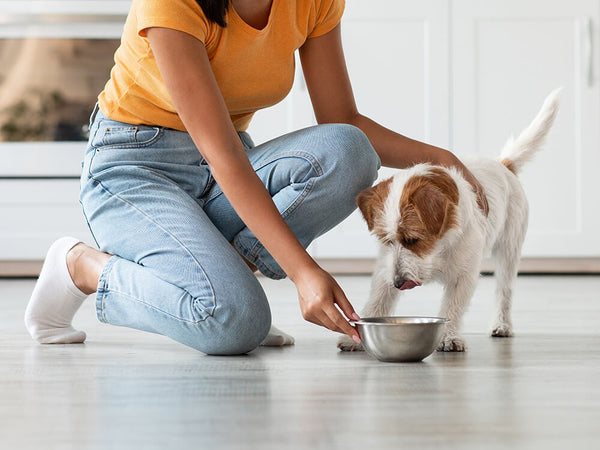
Sixteen Steps to Detox Your Pet
by Cynthia Holley-Connolly - Staff Writer, Only Natural Pet Store
Most likely, you have a general idea what toxins are. We often hear things
described as being "toxic," and we understand that this is bad, potentially
damaging, and perhaps poisonous. Toxins can cause, worsen, or accelerate many
health problems in people and pets. But many of the toxins that can profoundly
affect our own and our pets' health are hidden, and we may be unknowingly
contributing to the load of toxins we and our pets have in their bodies. While
toxins are bad for us, they can be even more devastating to our pets for several
reasons.
First, pets are generally much smaller than we are, with smaller organs of
elimination (e.g., liver, kidneys, lungs). When exposed to toxins, their bodies
have to work much harder than ours do to eliminate them. Second, pets have a
shorter life span. They don't have the luxury of time that we have for their
bodies to eliminate toxins as gradually. Also, our pets can't talk to us to let
us know when something in their food or their environment is making them feel
sick. They can't switch their own food or decide to stop using a household
cleaner that irritates their sinuses or lungs. Since we control our pets'
environment, they rely on us 100% to reduce toxins they encounter.
So what can you do to minimize the toxins in your pets' lives and help them
eliminate the toxic load they have in their bodies? Before tackling the
specifics of how to help your pet with detoxification, lets take a brief look at
what toxins are, where they come from, and how they affect cats and dogs.
Toxin Tracking
Toxins get into your pet through several means. Some get into your pet
through accidental ingestion. Outdoor toxins like weed killers, pesticides,
automotive exhaust & motor oil, and chemical road or sidewalk de-icers get into
our pets when they breathe them in, eat chemical-laden grass, lick dust or
residue off their paws or fur, or absorb them through their paws.
Other environmental toxins arrive the same way from cleaners, air fresheners,
laundry products and other chemicals used in the household. More toxins can be
directly ingested in your pet's drinking water, in commercial food and treats,
and in the over-the-counter or prescription medications they take. And finally,
some toxins (e.g., ammonia) are produced within your pet's body, either through
their own metabolic processes or by microbial activity, most often bacteria
and/or yeast in the GI tract.
The Ill Effects of Toxins
In a healthy body, toxins are rounded up and eliminated quickly through the
organs of elimination (liver, kidneys, lungs, intestines, and skin). Our pets'
wild counterparts have very efficient toxin elimination systems that have
developed over centuries to handle the natural toxins they encounter, but our
domesticated pets are bombarded daily with an overwhelming number of toxins,
most of which their bodies have not had enough evolutionary time to adapt to. In
the short run, our pets' bodies react to toxins as ours do - the immune system
ramps up processes like inflammation, mucus production or diarrhea to help the
immune system's army of cells resolve the problem and purge the offending
"invaders" from the system.
When the body is overwhelmed with too many toxins, it is forced to store them
until there is an opportunity to eliminate them at a better time. For many pets,
the better time never arrives, and toxins can accumulate indefinitely, where
over time they can cause symptoms like lethargy, fatigue, and/or proneness to
infection. Ultimately toxic overload can impede the work of your pet's immune
system to the point where cellular abnormalities like tumors and cysts may form,
and other serious health conditions may develop as cells degrade and organ
function is impaired.
The good news is that for most pets, their bodies are remarkably well-equipped
to handle disease, eliminate a reasonable amount of toxins, and restore their
own organs and body systems to health - with your help. When a natural diet with
adequate nutrients, rest, exercise and joy are part of their daily experience,
your pet may be capable of a level of health you never thought possible. Below
are our suggestions, many of which can be found in these excellent books by top
holistic veterinarians:
The Nature of Animal Healing, by Martin Goldstein, DVM
Dr. Pitcairn's Complete Guide to Natural Health for Dogs & Cats, by Richard
Pitcairn, DVM, PhD, and Susan Hubble Pitcairn
Sixteen Steps to Detox Your Pet
1. Upgrade Food & Treats - Improving the quality of your pet's diet is
always the very best thing you can do to improve well-being and longevity. If
you are still giving your pets any grocery store or pet store chain foods &
treats, you are undoubtedly giving them a dose of chemical additives, artificial
colors & flavors with every bite. Commercial food and treats have plenty of
these toxic indigestible ingredients, along with poor quality proteins and
fillers that tax your pet's digestion and increase the toxic load on their
bodies. Choose natural food and treats, like those we offer at Only Natural Pet
Store. We offer only the best in highly digestible, additive-free
foods and
treats.
2. Filtered Water Only! - While the water that flows through your
household pipes may be technically "fit to drink," it contains enough toxic
mineral and metal levels, chemicals like fluoride and chlorine, and even trace
amounts of hormone-like compounds and other suspicious particulates to damage
your pet's health. Your pets deserve better, and so do you. Water filtration
units are readily available and you don't have to spend a lot to get a good one.
We offer pet fountains from
Drinkwell and
Petmate that not only filter the water, but also work well to entice pets
that don't like to drink water - a great benefit to their kidneys (See #14
below). It's well worth the investment - and after all, what's more valuable than the health of
your companion?
3. Add Nutraceuticals and Cleansing Herbs - Nutrient supplements that
contain "greens" and cleansing herbs can help your pet tremendously. Greens
supplements add a wide variety of nutrients commonly missing from even the best
pet foods, including full spectrum amino acids, chlorophyll, antioxidants, trace
minerals, and essential fatty acids. Cleansing herbs each have unique properties
that support the health of one or more organ systems in the body (See below for
specifics). Some excellent greens and cleansing herb supplements we offer are:
Only Natural Pet Super Daily Greens,
Dr. Harvey's Multi-Vitamin & Herbal Supplement,
Only Natural Pet Kelp Boost,
Animal Essentials Organic Green Alternative, and
Solid Gold SeaMeal.
4. Eliminate Household Chemicals - Besides the obvious chemicals in bug
killers, cleaning products and solvents, beware of those found in perfumes, air
fresheners, scented plug-ins, laundry products and even dryer sheets! These are
laden with chemicals typically unregulated & untested by US health protection
agencies, and many of them are known to cause or worsen respiratory conditions
like asthma in people and pets. Look for 100% natural cleaning products, or make
your own. There are many resources online for making effective cleaning products
from ingredients like vinegar, baking soda, and lemon juice. Some non-toxic
stain and odor removal products we carry include:
Only Natural Pet Stain & Odor Solution,
Castor & Pollux Out Spot!,
Get Serious!, and
Natumate Pet Stain & Odor Remover.
5. Exercise Every Day - Your pet needs exercise as much as you do, and a
daily workout has many benefits for your pet's organs of elimination. Exercise
improves the movement of waste materials through the digestive tract, and
thereby reduces the toxic effects of a too-sluggish bowel. Exercise also
improves circulation of blood and lymph fluid, your pet's two primary means of
moving micro-toxins and cellular debris through the body for elimination.
Finally, exercise improves respiration and helps your pet remove excess mucus
from the respiratory tract. Don't let a dog's bad walking behavior or a cat's
boredom prevent you from giving your pets the exercise they need. A
walking harness or
head collar can help curb dogs' pulling tendencies, making walks easier. An
outdoor
walking harness for kitties allows safe outdoor exercise, and some
interactive toys will keep your kitty's muscles toned from "hunting prey."
6. Improve Air Quality - Indoor air pollution can come from household
chemicals (see #4 above), and it should be well understood that pets are
affected by the toxins in cigarette and cigar smoke. Toxins in the air also come
from gaseous chemicals emanating from new synthetic household items like
flooring, carpeting, and furniture. If you have new household items that are
giving off that tell-tale "new" smell, be sure to keep these areas of the house
well-ventilated, keep pets off and out of these areas and consider using window
fans or leaving windows open for some fresh air while the items are exuding high
levels of chemical residues. Use bathroom fans to reduce chemical residues from
spray-on cosmetic items like hair spray and perfume.
7. Minimize Exposure to Outdoor Pollutants & Chemicals - Pets that spend
time outdoors will undoubtedly encounter chemicals used for pest control, weed
killers, fertilizers and more. If your dog likes to munch on grass or other
plants, keep a close eye on them when you are walking near neighbors' yards and
in public places like parks, where use of chemicals is common. Adding greens to
the diet may help curb this tendency in both cats and dogs (See #3 above). For
cats, a great solution is the
SmartCat Kitty Garden, which lets you grow a healthy assortment of grasses
free of contaminants.
8. Keep Conventional Meds in Check - Toxic compounds are plentiful in
conventional flea and tick products, heartworm medications, and many
conventional drugs, including vaccines. While chemical treatments and
conventional medications may be needed, it pays to be mindful of the frequency
of dosing, and to look for natural alternatives when they are appropriate for
your pet. We offer many
natural flea and tick control products, as well as
natural remedies for common pet health conditions that may offer safer
alternatives to their conventional counterparts - check with your vet about
natural remedies that may be of benefit. We also suggest that you carefully
consider the misguided notion that every pet requires annual boosters for
vaccines. Please see our article, "The
Truth About Pet Vaccinations," for more information on this critical topic.
9. Support the Liver - Your pet's liver does the lion's share of
elimination of toxins. Antioxidants can assist the liver in this process, and
many detoxification remedies have herbs like milk thistle that can be of great
value to your pet's liver. While young healthy pets are unlikely to require
daily liver support, older pets and those taking medications may benefit from
regular use of
liver support products. As always, consult with a holistic vet to determine
whether and how liver-supporting remedies may be of benefit to your companion.
Read more about liver support in our article, "Taking
Care of the Liver," by our consulting holistic veterinarian, Dr. Jean Hofve,
DVM.
10. Take a Food Break: The Short Fast - Many holistic vets endorse
regular, short fasts for healthy pets. When pets are sick, they will often fast
on their own, as they instinctively know that taking a break from eating will
free up their immune system's resources to help them recover. Taking a break
from eating foods for a day or two can help your pet eliminate toxins stored in
body tissues. For more information on fasting for pets, check out Dr. Martin
Goldstein's book, "The
Nature of Animal Healing," or consult with a holistic vet.
11. Provide Immune Support - Your pet's immune system works in tandem
with the elimination organs to keep your pet well, and supporting immune health
keeps your pet's liver, kidneys, lungs, intestines and skin healthy so they can
do their detoxification work. For healthy pets, daily immune support is found in
a quality multivitamin & mineral supplement, like our
Only Natural Pet Super Daily formulas. Extra immune support of particular
benefit to older or active pets is provided by antioxidant supplements like our
Whole Food Antioxidant Blend, and other quality
antioxidant formulas for pets that we offer.
12. Skin Salvation - Cats and dogs eliminate toxins through their skin,
and a regular brushing regimen will help your pet's skin "breathe" and
facilitate this process. Regular grooming also removes dust and debris that may
contain toxic residue, so your pet ingests fewer toxins when they groom
themselves if you are brushing their coat regularly. For dogs especially,
consider the quality of the bath products you use, and choose natural grooming
products that skip the toxic ingredients so your pet absorbs fewer toxins
through the skin at bath time. We offer many
natural skin health products and natural
shampoo &
bath products that support healthy skin.
13. Support Healthy Digestion - Most of the toxins your pet's body
eliminates pass through the colon, and a healthy digestive system keeps toxins
moving through before they can damage the intestinal walls and/or be reabsorbed.
A sluggish bowel, or alternately, an irritated one (which may be present with
chronic diarrhea) suggests that the microbe balance may be out of kilter, which
complicates elimination of toxins. With constipation, toxic materials can be
released back into your pet's bloodstream before they pass through. Microbes out
of balance (for example bacteria and yeast) can produce their own toxins.
Products designed to help your pet's digestion contain probiotics, enzymes, or
both. Excellent formulas we offer include: our
Only Natural Pet GI Support,
Vital Digest, and
Probiotic Blend, as well as
InClover OptaGest and
Animal Essentials' Plant Enzymes & Probiotics.
14. Support the Kidneys - The simplest thing you can do to support the
kidneys of a healthy cat or dog is to ensure that they are drinking an ample
amount of filtered water every day. Toxins excreted through the kidneys become
highly concentrated in chronically dehydrated pets, and can damage the tiny
structures in the kidneys' filtration system. Likewise, mineral particles can
form when urine is highly concentrated. This may result in the formation of
crystals or stones that can cause blockages and/or irritation to urinary tract
structures, which in turn may set the stage for recurrent infections that may
damage kidneys. If your pet doesn't much drink water, consider a pet fountain (See #2
above), and provide more liquids with meals by adding broth or water and canned
food to provide extra moisture. For pets with urinary tract issues, consider
remedies like our Only Natural Pet
Tract-Ease or
Cranberry Wellness formulas, or other products for
urinary tract and/or
kidney support.
15. Keep It Clean - Studies show that the home environment generally has
far worse air quality than the outdoors. Much of the toxic material found in our
homes, however, blows into our houses from dust and outdoor pollutants. Keeping
your home free of dust with regular dusting and vacuuming can greatly reduce the
toxic particulate matter that pets end up ingesting. Another place to be strict
with cleaning is your pet's food and water bowls. Change water daily and wash
your pet's bowls, as dust and germs accumulate here in abundance.
16. Gently Detox with Herbs & Homeopathics - Because our pets live with
us and ingest many toxins in our shared environment, even the healthiest cats
and dogs can benefit from regular intervals of gentle detoxification. We carry
several excellent
pet detoxification formulas with herbs like milk thistle, red clover,
dandelion, and astragalus that can support your pet's organs and help them
eliminate stored toxins. We also offer
Newton Homeopathics Detoxifier, an effective, gentle and easy-to-administer
homeopathic remedy that's especially great for use with cats.
Keep in mind that as the body is eliminating toxins, it is not unusual for there
to be a brief "healing crisis," in which a cat or dog may develop symptoms like
a runny nose or changes in bowel function or appetite. Such symptoms should
subside in a few days. As always, observe your pet closely when you administer
any remedy, stop any remedy if symptoms develop that concern you, and consult
with a holistic veterinarian for appropriate guidance. Please see our article, "Administering
Remedies to Your Companion," for additional suggestions.