Building a Healthy Immune System
by Dr. Larry Siegler
The immune system is an intricate network of specialized tissues, organs, cells,
and hormones. The lymph system and lymph nodes, spleen, bone marrow, and thymus
gland all play a role, as do lymphocytes (specialized white blood cells), antibodies,
and complement proteins.
There are two main types of immunity, innate and acquired. Innate immunity is
the body’s built in system of resisting disease, including the skin, the lining
of the gastrointestinal tract, mucous secretions, and stomach acid.
Acquired or adaptive immunity involves the immune system’s further defenses against
invaders that are created as the body encounters different pathogens through exposure,
illness or vaccination. The immune system develops a memory of each disease it fights
and is able to quickly recognize and defend against the pathogen the next time it
appears.
Symptoms of a weakened immune system include skin infections, recurring parasitic
infections, and initially mild infections or illnesses that progress into serious
health issues because the body cannot build a strong enough response to defend itself.
For cats, frequent upper respiratory infections are also indicative of a weak immune
system.
Building a Healthy Immune System
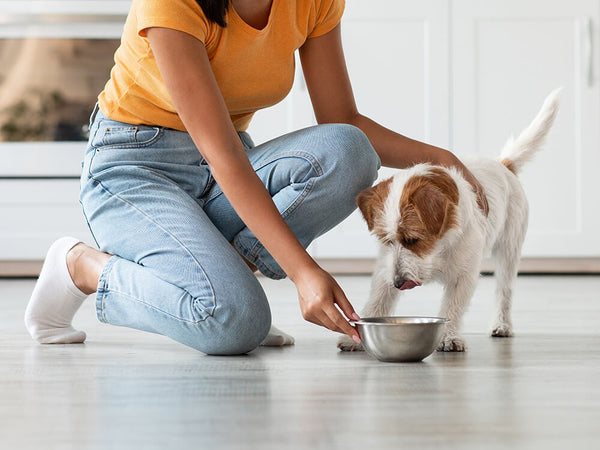
Diet is always the first line of defense. As you have heard before in our other
articles, diet is the foundation of health. If your companion is consuming highly
processed food that provides only minimal nutrition and includes any number of toxins
such as chemical preservatives, food dyes, additives and fillers, his immune system
is being depleted daily just to cope with his diet. Fresh food is the first step
in building a strong immune system.
Many people wait until their animal has a serious or chronic illness such as
cancer, kidney disease or allergies (to name a few), to finally change the diet.
Prevention is so much kinder and immeasurably more effective. Please see the articles,
"What
You Need to Know About Your Pet's Food," and "All
About Raw Food," for more information about proper diet. Feeding a varied diet
that includes as much fresh food as possible does take a bit more effort than scooping
kibble out of a bag, but it is truly worth the effort in the long run.
One of the benefits of a healthy diet is a healthy gastrointestinal tract. If
the digestive tract is weakened by inflammation from allergies or inflammatory bowel
disease or other digestive disorders, even the nutrients in a healthy diet are harder
to process and absorb. Healing and maintaining the digestive tract is vital to overall
health and immunity. Digestive enzymes, probiotics and essential fatty acids all
play a role in gastrointestinal health and proper digestion.
Exercise must also be mentioned for its role in helping build and maintain a
strong immune system. Moderate exercise has been shown to improve immune factors
in humans and animals.
Weight control is also key – overweight animals are much more susceptible to
chronic and acute diseases and infections. Proper diet AND exercise are needed to
help with weight control.
Nutritional Supplements
A good quality daily multi-vitamin and mineral supplement is a simple way to
help bolster the immune system. I like to alternate the vitamin supplements
I use for my cats and dogs to provide a more varied source of extra nutrition. For
instance, I often give a regular multi-vitamin at one meal and a “greens” supplement
at another meal. Please see the article, "Daily
Supplements for Healthy Companions," for more information.
Antioxidants help prevent oxidation in cells, help increase
immune function, and possibly decrease the risk of infection and cancer. Antioxidants
exist as vitamins, minerals and other compounds in foods. They act as scavengers,
helping to prevent cell and tissue damage by destroying free radicals. Free radicals
are highly reactive molecules and fragments of molecules that can damage the body
at the cellular level by making it difficult for cells to replicate normally, leaving
the body susceptible to cancer, heart disease, and many other degenerative diseases.
Vitamins A, C and E are the most commonly known antioxidants. Vitamin A is found
in the liver and other animal tissues. It is abundant in fish liver oils such as
cod liver oil. Carotene is a precursor to vitamin A found in plant material. Dogs
can convert carotene to vitamin A by way of an enzyme found in the wall of the intestine.
Cats, however, do not convert carotene well and must receive adequate vitamin A
from animal sources. Vitamin A helps regulate the immune system by making white
blood cells that destroy harmful bacteria and viruses. Vitamin A also helps maintain
the integrity of skin and mucous membranes, which also function as a barrier to
bacteria and viruses, as well as protect against shedding of cells into the urinary
tract which can lead to the formation of stones and other urinary tract problems.
Vitamin C is the most abundant water-soluble antioxidant in
the body and is manufactured in the liver and kidneys of dogs and cats. It is available
from fresh or lightly cooked fruits and vegetables. Vitamin C is especially good
at combating free radical formation caused by environmental toxins and other pollution.
Vitamin E is the most abundant fat-soluble antioxidant in the
body. It is present in many foods including vegetable oils, cereal grains, greens,
liver and eggs. It is particularly helpful in protecting against oxidation, especially
in fatty tissues.
Other powerful antioxidants include green tea, selenium, Co-Enzyme Q10, bioflavonoids,
N-acetylcysteine, proanthocyanidins (pycnogenol) typically derived from grape seed
extract or pine bark, quercetin, soy isoflavones, and zinc.
Herbs, Mushrooms and Nutraceuticals
Cat’s Claw (Una de gato) has antioxidant and immune enhancing
properties as well as anti-hypertensive effects (lowers blood pressure & supports
circulation). Cat’s Claw is derived from a vine found in South America. It is often
used in combination with other herbs. It can be useful in treating a wide variety
of illness including parasites, colitis, gastritis, leaky gut, and tumors, and is
also used for acute conditions such as viral and respiratory infections.
Chinese Herbs are available in a variety of combinations for
immune support. Astragalus is one of the more commonly found Chinese herbs in immune
formulations. Selecting the proper Chinese herbal formula is not always straightforward
since a variety of conditions need to be considered before deciding on the best
combination, so sometimes the guidance of a trained holistic veterinarian is important.
Green tea contains polyphenols that target cancer cells for
destruction and help eliminate free radicals. Green tea also supports the production
of a protein that protects healthy cells.
Curcumin, or turmeric root, has very powerful antioxidant and
anti-inflammatory properties. It has a wide range of uses for both chronic
and acute illnesses and is an excellent cancer preventative.
Echinacea stimulates the immune system to fight bacterial and
viral infections. It is a good choice for acute conditions, but it is not recommended
for continual long term use. Echinacea works best when given as a preventative –
to help an animal avoid contracting an illness or infection they may be exposed
to.
Mushrooms such as Maitake, Reishi and Shiitake stimulate T-helper
cells (which are integral to a strong immune response) and powerfully boost the
overall immune system. Cordyseps is a Chinese mushroom with antioxidant, antiviral
and cellular health boosting properties.
Colostrum is the first milk produced by mothers. Most colostrum
commercially available is from cows. It has many immune boosting properties including
factors that support T-helper cells. It may also play a role in the metabolism of
essential fatty acids. Colostrum is useful for acute and chronic disease, including
autoimmune disorders.
This is by no means a complete list of immune support herbs and supplements, but
it includes many of the most common of those used for general immune support. Again,
prevention is the best course, but should your companion fall ill, providing extra
support for the immune system through nutrition, herbs and supplements can give
your pet the upper hand and aid in a speedy recovery.
You may
click here to view the selection of immune support supplements available
at Only Natural Pet Store.