by Dr. Jean Hofve, DVM
In this article, we’ll go into detail about what allergies are, and how to prevent and deal with them; and we’ll reveal the most common allergy of all!
Allergy = Immune Hypersensitivity
An allergy is an over-reaction of the immune system to an allergen (usually a protein). There are four major types of hypersensitivity reaction:
Diagnosing allergies
Diagnosing allergies can be difficult. First, your veterinarian needs to rule out other diseases or problems that cause those symptoms. For skin reactions, other causes include parasites, autoimmune disease, and skin infections. Diagnosis may include skin scrapings to look for mites (several species commonly infect dogs and cats); fungal culture for ringworm; or even biopsy to look for skin and gland abnormalities. In the case of gastrointestinal reactions, there are dozens of other potential causes, such as parasites; viral, bacterial, or fungal infections; toxins; liver or pancreas disorders; neurological problems; and cancer. The pet’s history may also provide clues: atopy and fleabite allergy are more seasonal, while food allergies tend to be constant.
There are two major tests specifically for allergies manifesting as skin problems: intradermal skin testing, and blood tests.
These tests are not 100% accurate, but they may help narrow down the list of suspects so that treatment can be targeted more efficiently. These tests are best reserved for dogs who will be getting immunotherapy (hyposensitization), which involves giving frequent injections of a combination of allergens in order to minimize the immune system reaction.
Food trials are also a way of diagnosing allergies, since symptoms of food allergy may involve either the skin or the gastrointestinal tract. It is worth keeping in mind that food allergies are far less common than other allergies, but food can still contribute to symptoms. The trial food should contain ingredients the pet has not been exposed to before, and should be fed exclusively for 8-12 weeks! Digestive symptoms typically resolve sooner than skin symptoms.
This “FAD” is the Top Allergy
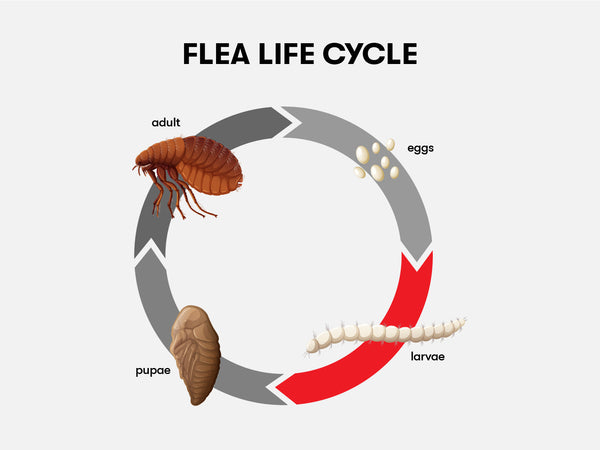
FAD, or Flea Allergy Dermatitis, is the most common allergy of dogs and cats. The usual suspect is the cat flea, Ctenocephalides felis, which is just as likely to infest dogs as their namesake cats. Fleas inject their saliva as they feed on the pet’s blood; and that saliva contains histamine-like compounds and other proteins. These components make fleabites extremely itchy on their own; but in some animals, they cause an allergy that is itchy to the extreme.
The most typical sites for FAD to show up are the lower back, base of the tail, inner thighs, and lower belly; although a severely allergic pet may be itchy all over.. The fur in affected areas may be stained brown from the pet’s licking, and the skin can become hairless, crusty, thickened, or even blackened from chronic irritation. Hot spots (areas of moist, reddened skin) can also be the result of FAD. Secondary infections of the skin with yeast or bacteria are common.
Most people, confronted with a potentially flea-allergic pet, will adamantly deny that there is a flea problem in their homes—and most of them are probably correct. But you don’t have to see fleas to have a flea problem. Fleas may be lurking in the yard, on the beach, or in the dog park. If your pet has a flea allergy, it only takes a single fleabite to produce a severe and long-lasting reaction.
In addition to causing itching and allergies, fleas can transmit tapeworms, roundworms, and the bacteria that cause bubonic plague, cat scratch disease, typhus, and Lyme disease. Many of these diseases can also be transmitted to humans. It is important to stay vigilant if you are in a flea-prone area.
For more information on fleas and how to combat them naturally, please see these articles: Common Flea Myths The Natural Approach to Flea Control
Preventing allergies
There are steps you can take to prevent allergies from occurring in the first place, or help avoid even more allergies from developing in an allergic pet.
1. Minimize vaccinations. Vaccinations stimulate the immune system, and may cause it to form antibodies to the animal’s own tissues. Most vaccines are unnecessary for adult cats and dogs (with the exception of rabies vaccines as required by law), so talk to your veterinarian about the risks and benefits of each vaccine for your pet’s health, lifestyle, history, and other factors.
2. Avoid exposure to allergens. While 100% avoidance of all allergens is impossible, if you know of suspect particular items to be problematic, try to limit your pet’s exposure to them. For instance:
3. Vary the diet. Food allergies develop to ingredients an animal is constantly or chronically exposed to; so changing foods periodically can reduce the chances of any one food triggering an allergy. For dogs eating mostly or only dry food, change brands and flavors every 3-4 months. For pets eating canned food, incorporate a wide variety of protein and carbohydrate sources; once your animal is accustomed to diet changes, feeding different foods as often as every meal is fine. Also keep in mind that dry food in general is much more likely to cause allergies than canned, raw, or homemade diets. The heat and processing used in making dry food can denature (distort) proteins, making them a target for the immune system.
4. Use appropriate supplements. Fish oil supplements provide naturally anti-inflammatory Omega-3 fatty acids; other immune-modulating and anti-inflammatory supplements can also be helpful. Some of the products we have available include:
Click here to read the first article in our allergy series on Food Allergies
Click here to read the second article in our allergy series on Inhalant Allergies (Atopy)